Five hundred years after one of the most decisive events in Hungarian history, the Battle of Mohács of 29 August 1526 was commemorated with a large-scale historical memorial weekend. Held between 28 and 30 August 2026, the Mohács 500 programme was at once an act of remembrance, an educational historical event, and one of the largest joint undertakings of Hungarian military reenactment groups.
The Southern Transylvanian Priory of the Order of Saint George and the Order of the Golden Griffin (Arany Griff Rend) were also represented at this major Mohács 500 commemoration. The historical reenactment programme was conceived by the Janus Pannonius Museum and the Mohács 500 Battlefield Research Group. Its principal organisers were museum director Gábor Bertók and historian Knight Márk Haramza, our fellow knight from Baranya County.
Below is the personal account of our fellow knight, historian Tamás Sashalmi-Fekete, written from the heart of the events.
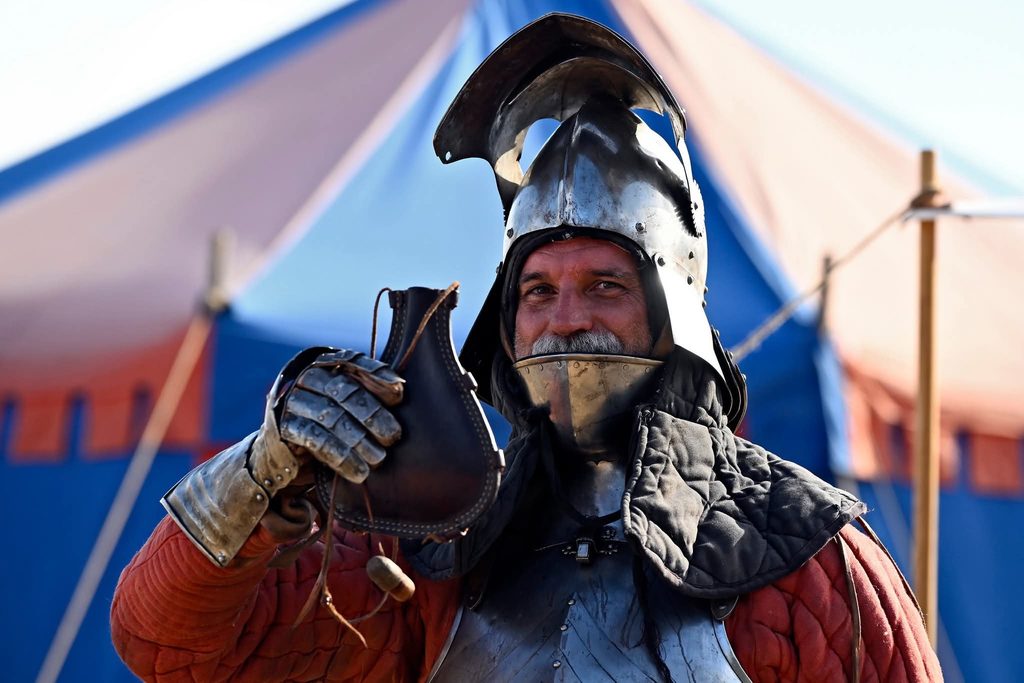
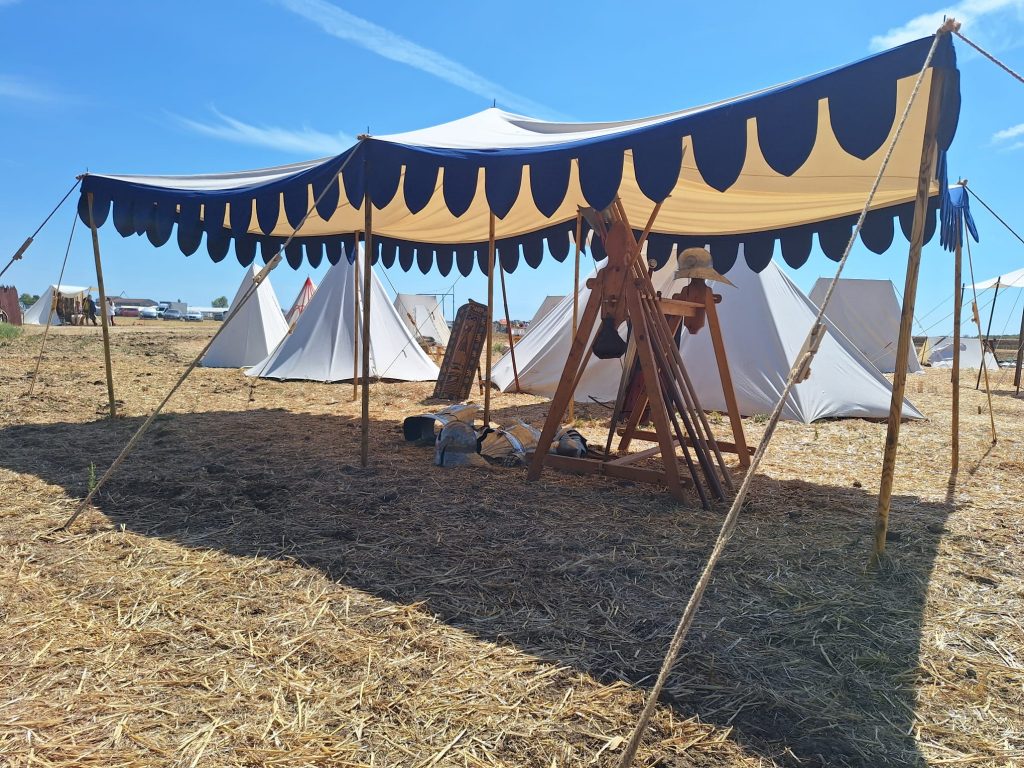
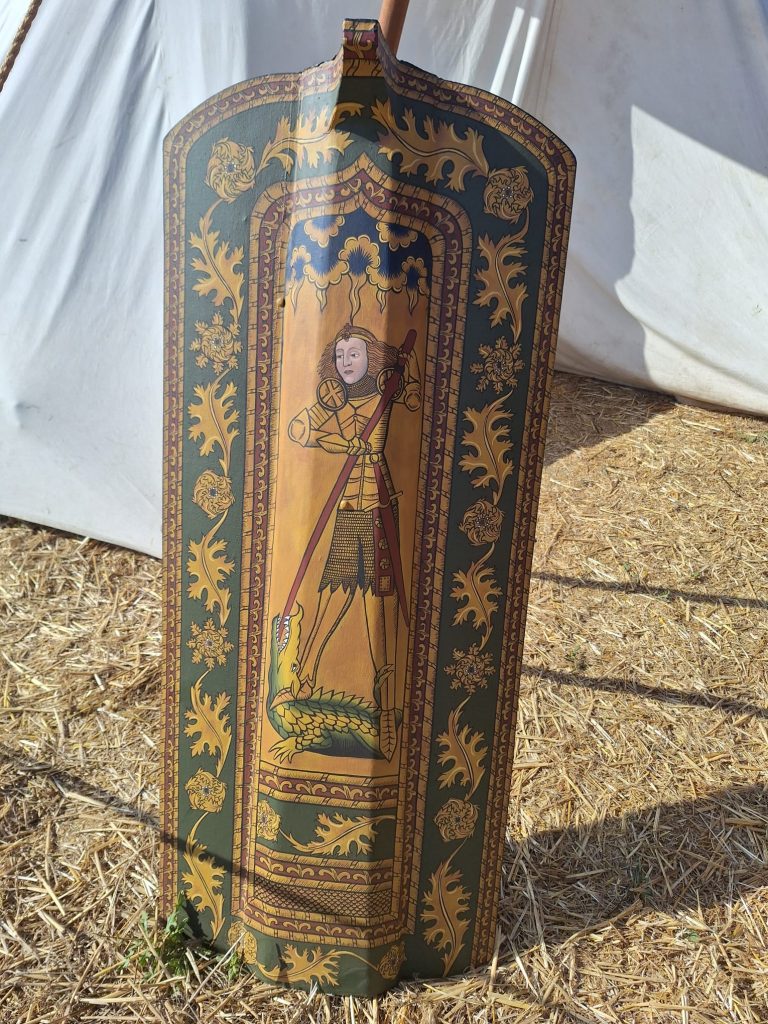
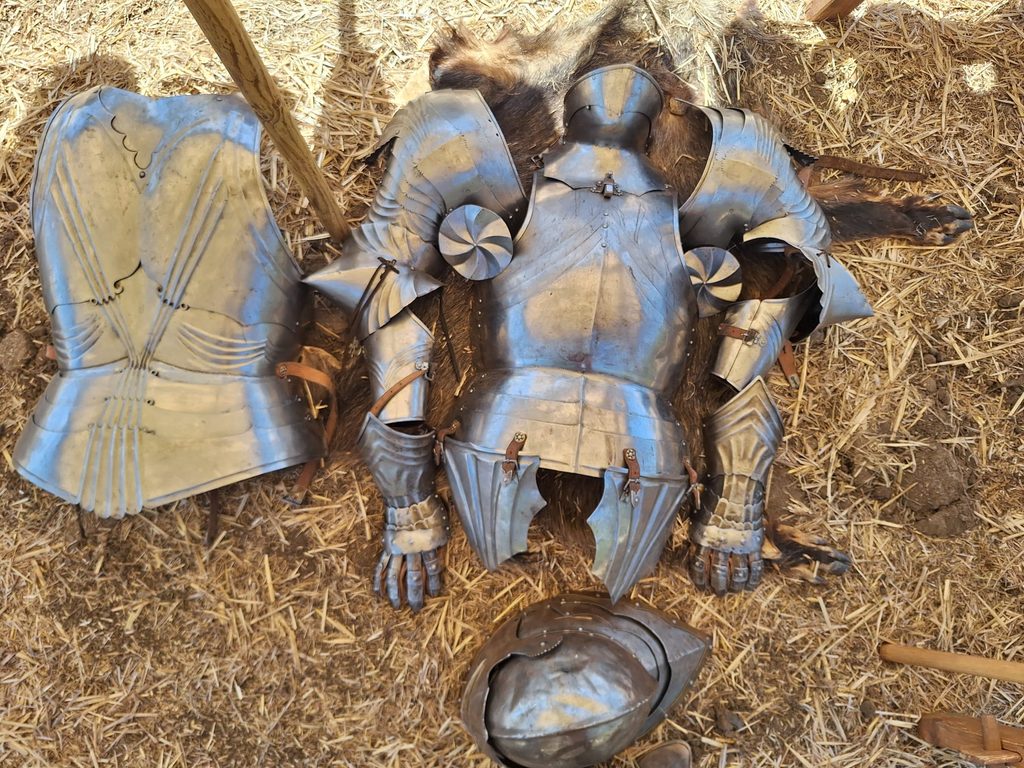
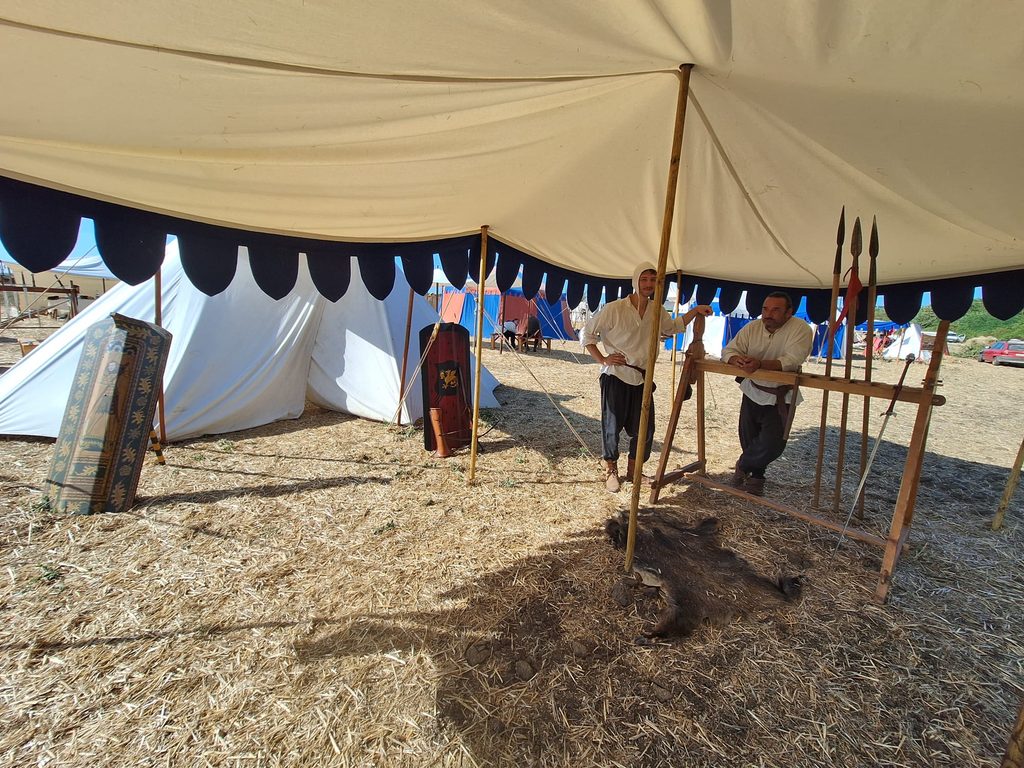
“We had already set up our military camp on the evening of 27 August, west of the village of Sátorhely, not far from Majs, where the original battle took place. On Friday, nearly 400 historical reenactors arrived to take part in the commemoration, both on horseback and on foot. The Ottoman and Hungarian camps were established separately, and the dry, stubble-covered fields were filled with the sounds of intense preparation. A fortunate visitor could walk among large cavalry contingents, artillery units and the various branches of infantry. By Friday evening, period music, the neighing of horses and the unmistakable metallic ring of armour mingled with the conversations of stern-looking warriors. Everything was ready for a worthy commemoration and for recalling the valiant stand of our forebears.
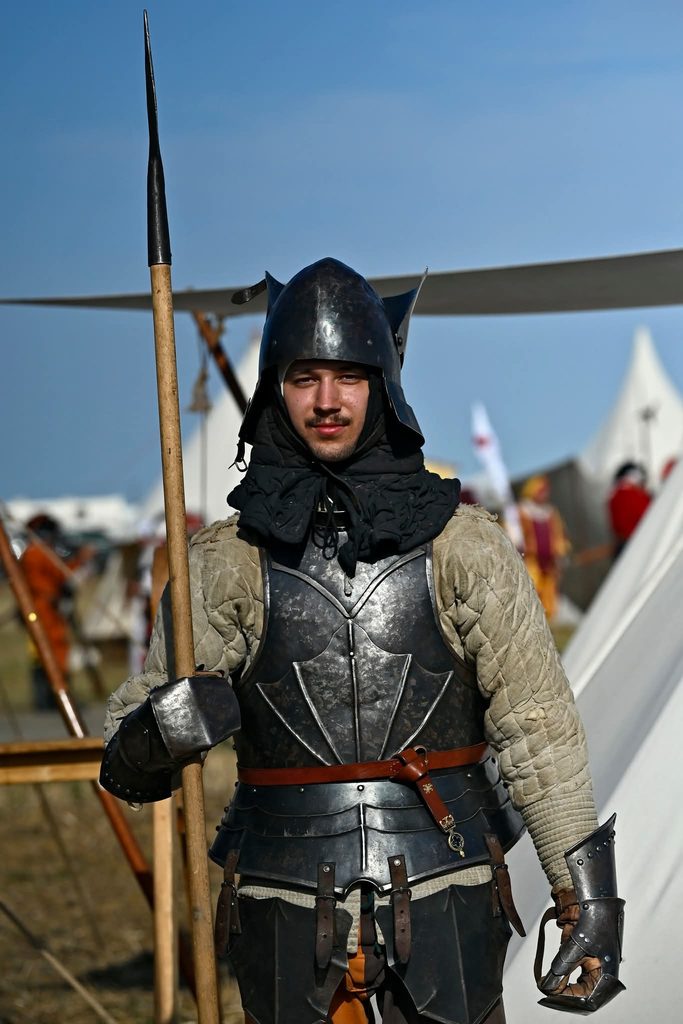
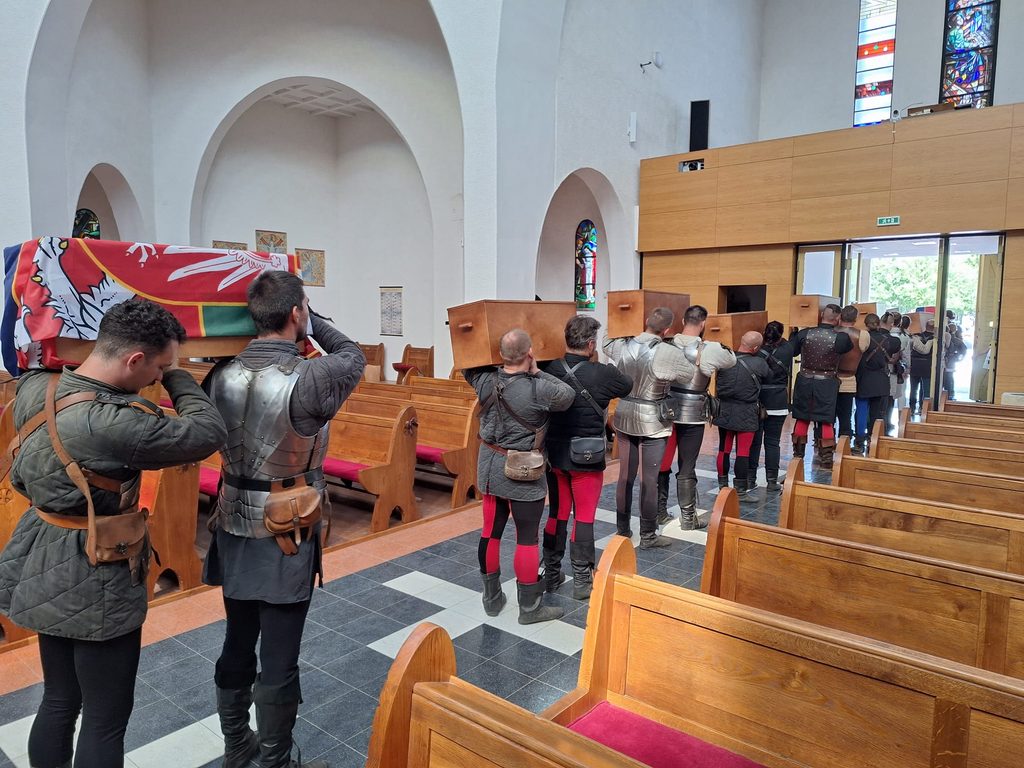
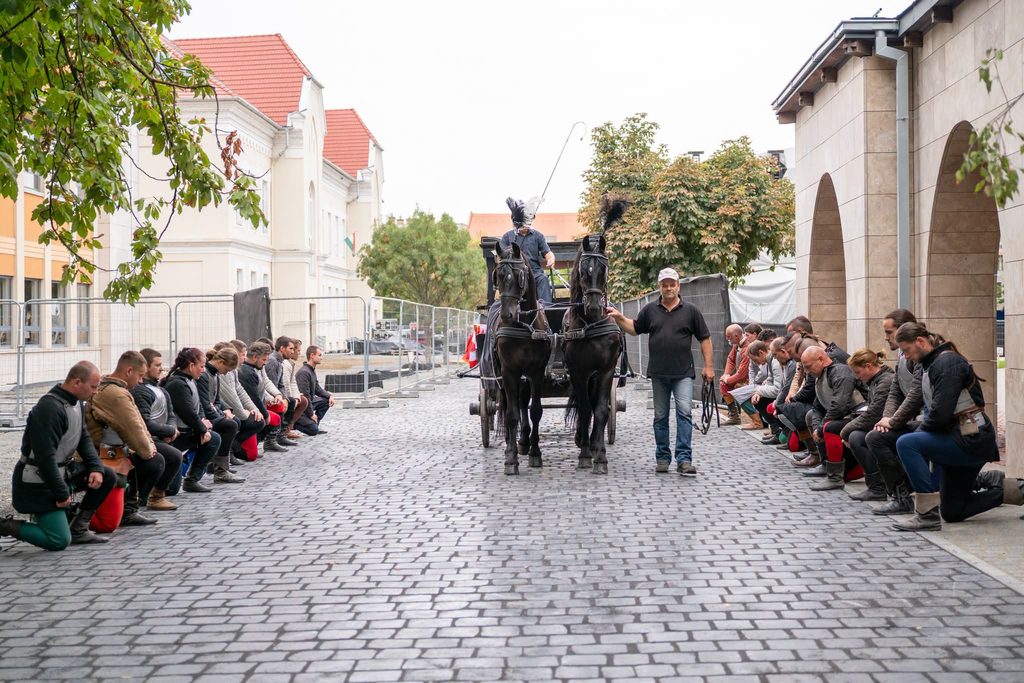
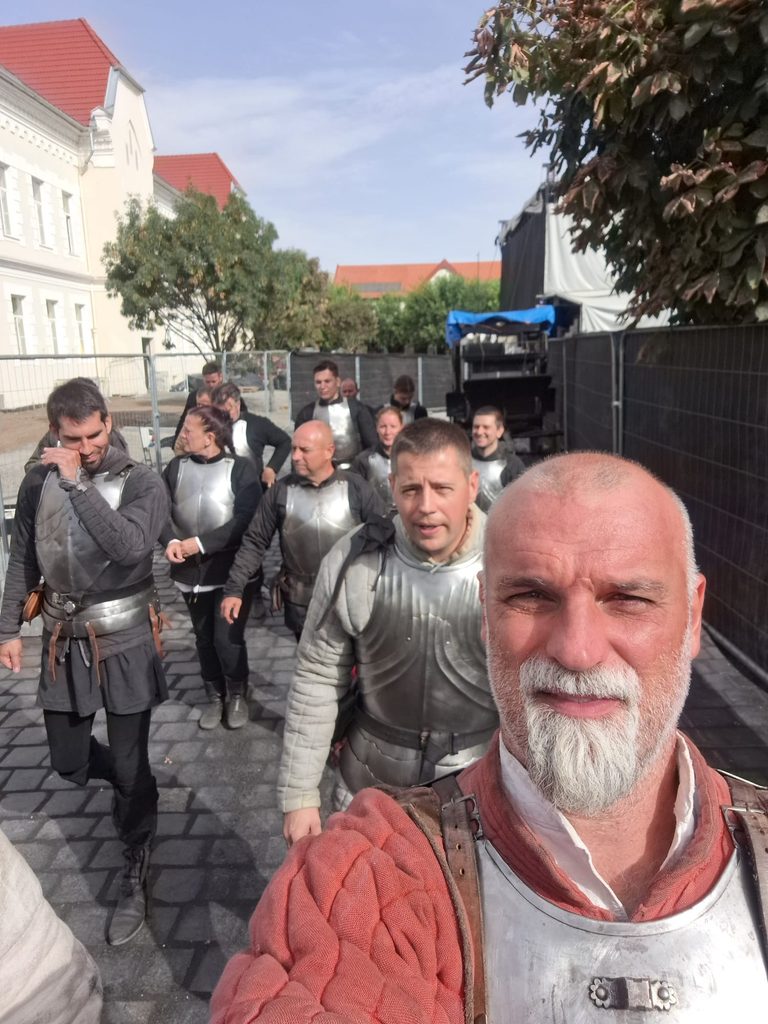
The first half of Saturday brought deeply moving moments and unfolded in quiet reverence, as we also commemorated the victims of the mass graves uncovered on the battlefield. The skeletal remains of ten fallen warriors identified during the research were placed in small coffins and solemnly laid to rest during a funeral ceremony. At the request of the organisers, the earthly remains of those who had fallen in battle were carried on the shoulders of breastplate-clad warriors from the Börzsöny Heavy Infantry and the Black Army Knightly Order of Kaposvár. I too had the honour of taking part in this moving duty, closing the silent procession in armour. Following the episcopal blessing, the remains of the heroes were reverently placed on a funeral carriage, and we knelt as we waited for it to depart for the Mohács National Memorial Site. The sight of the black horses and the hearse was dignified and at the same time heartbreaking. We were moved to tears, for these men had waited five hundred years to receive their final honours.
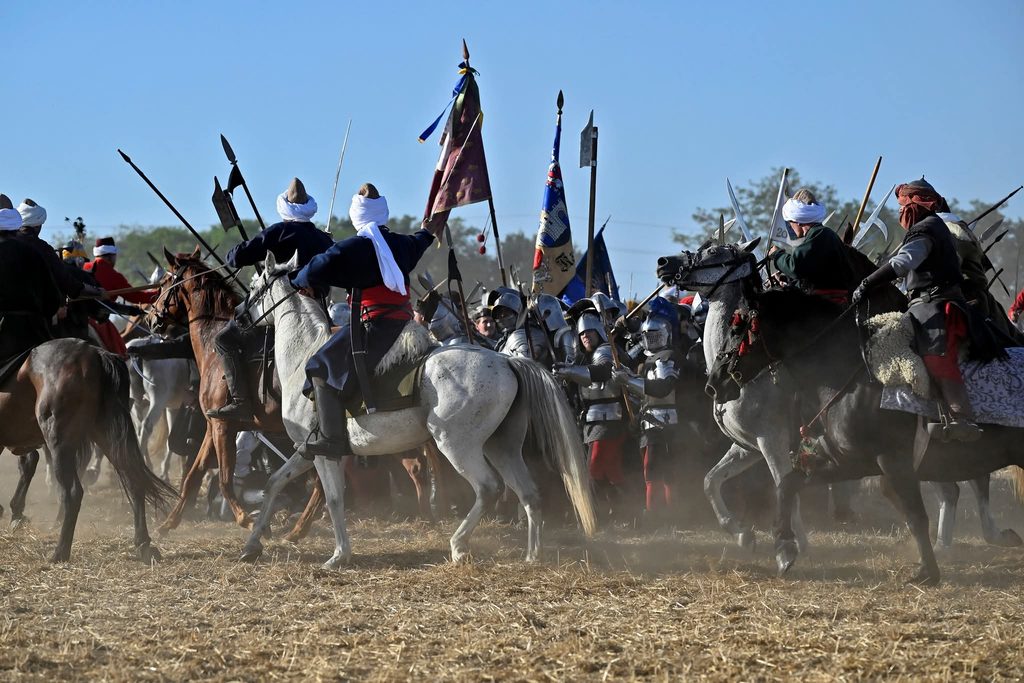
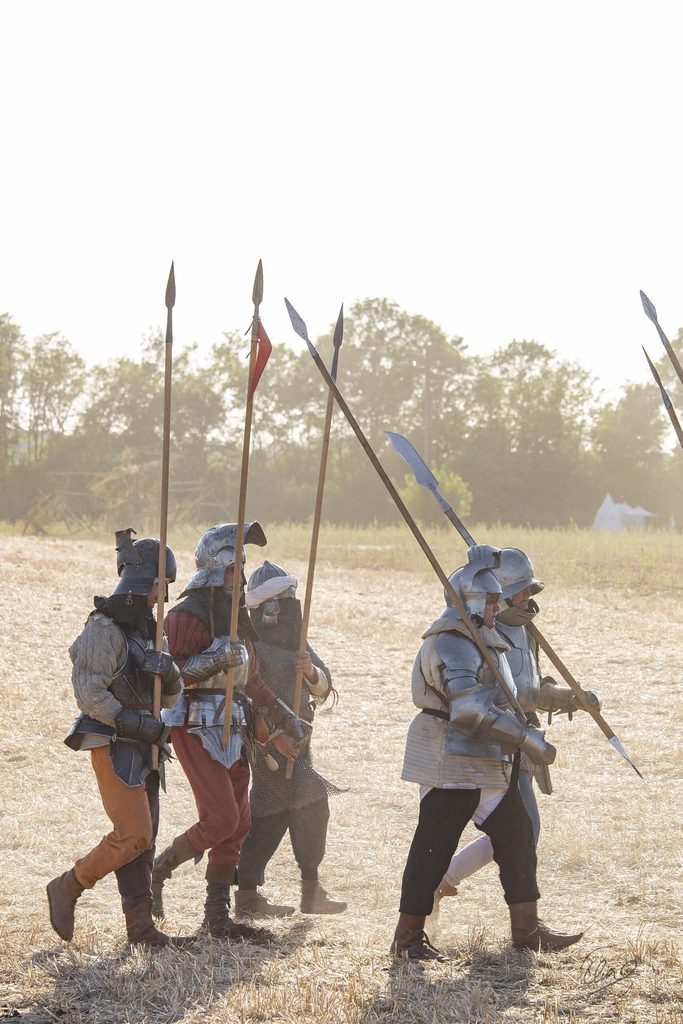
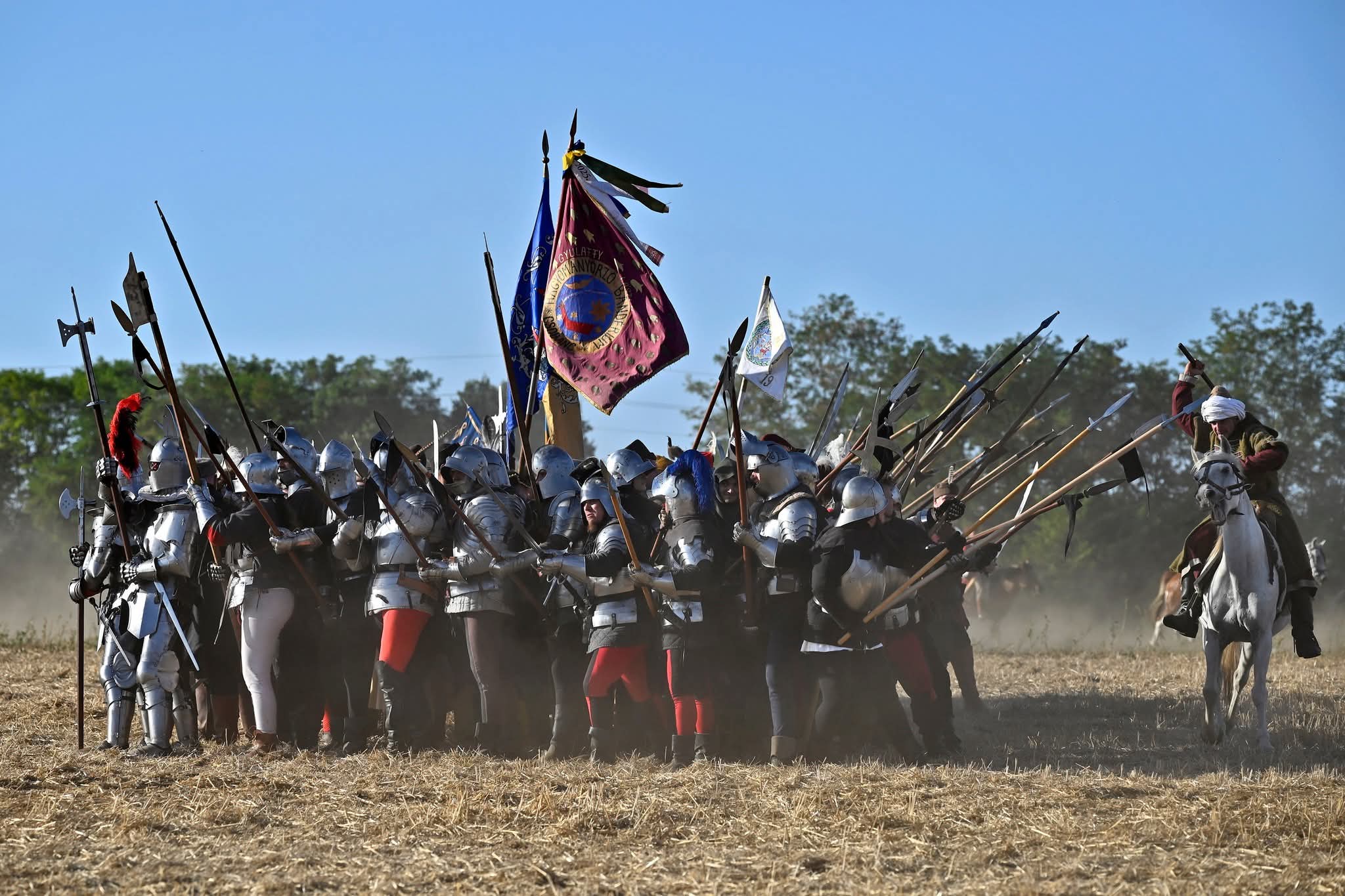
The afternoon, however, was already filled with excited preparation, for the highlight of Saturday was the reenactment of the battle itself. Nearly 300 infantrymen and 100 cavalrymen took part in the clash, demonstrating how important this tribute was to Hungary’s military reenactment community. Before the battle, the various formations took their positions: first the Hungarian battle order arranged in two lines, followed by the Ottoman army. The arrival of the commanders—Tomori, Perényi, Szapolyai, and finally the king—roused the properly assembled troops. With three loud cries of ‘Jesus!’ we reenacted the final hours of our hopeful ancestors. Following the initial single combats, the Hungarian right wing launched its attack, faithfully following the course of the historical events. To support the horsemen fighting amid the swirling dust, the forest of lances of the armoured infantry began to advance. Marching forward in disciplined ranks, they slowly disappeared into a cloud of dust that looked almost like fog. Increasingly intense Ottoman cannon fire and volleys of musket fire accelerated the action. Dr. Márk Vajda, portraying King Louis II in heavy cavalry armour, signalled with a sweep of his sword for us—the second Hungarian battle line—to advance as well. As armoured infantry, we surged forward to support the others. Amid the repeated gunfire, the first battle line began to waver, and we filled its ranks. Shoulder to shoulder, forming a closed square, we held our front and levelled our lances towards the advancing Ottoman cavalry. Then, as planned, we began to fall, and the great wave of Ottoman infantry covered our bodies. Those portraying the dying were struck down, and in a final assault the Ottoman formations overwhelmed the Hungarian side. The battle was accompanied by narration, whose closing lines formed one of the emotional high points of the reenactment.
Its central message was that although many died and we lost this battle, and although the independence of the Kingdom of Hungary may have been lost for a time, the Hungarian nation endured. Mohács became an example of valour, patriotism and self-sacrifice. We must do what is ours to do even when it seems futile, because we cannot know the final outcome. We must continue to struggle even when defeat is possible. For ultimately, life itself is a continuous struggle.”
Preserving Tradition as Remembrance and Service
For the Order of Saint George, preserving historical traditions means far more than recreating outward forms or staging spectacular events. Historical reenactment becomes truly meaningful when knowledge, research, historically accurate reconstruction and respect for the people of the past come together. The Mohács 500 memorial weekend united these elements in a particularly powerful way. Historical research, military reconstruction, reverence for the fallen, and the shared experience of living history all met within a single event.
Tamás concluded his deeply emotional account with these words: “We are grateful that we could be there and pay worthy tribute to our forebears. Those who witnessed it will not forget this weekend. We reenactors felt the same: we had goosebumps and felt bitterness like a blow to the stomach, yet at the same time the weekend was cathartic and liberating. The sight of warriors performing historical military dances under the full moon brought to mind the legendary dance of Pál Kinizsi. The period melodies radiated strength, while the sight of young people embracing, testing one another’s courage, or wrestling with each other became a warm and lasting memory. Who knows what this exceptional moment awakened or gave to each of us? But one thing is certain: through the storms of the centuries we have endured, we have won our freedom, we have a homeland, and we remember our ancestors in our own language.”
Mohács emlékezete nem csupán egy elveszített csata története. Emlékeztet bennünket a The memory of Mohács is not merely the story of a lost battle. It reminds us of courage, self-sacrifice and the communal strength that enabled us to survive even the gravest ruptures in our history. Five hundred years later, we therefore remember not only the defeat. We bow our heads before those who were there, who fought, and who gave their lives..
Photos made by: Szabó Zoltán, Váradi János, Sashalmi-Fekete Tamás