
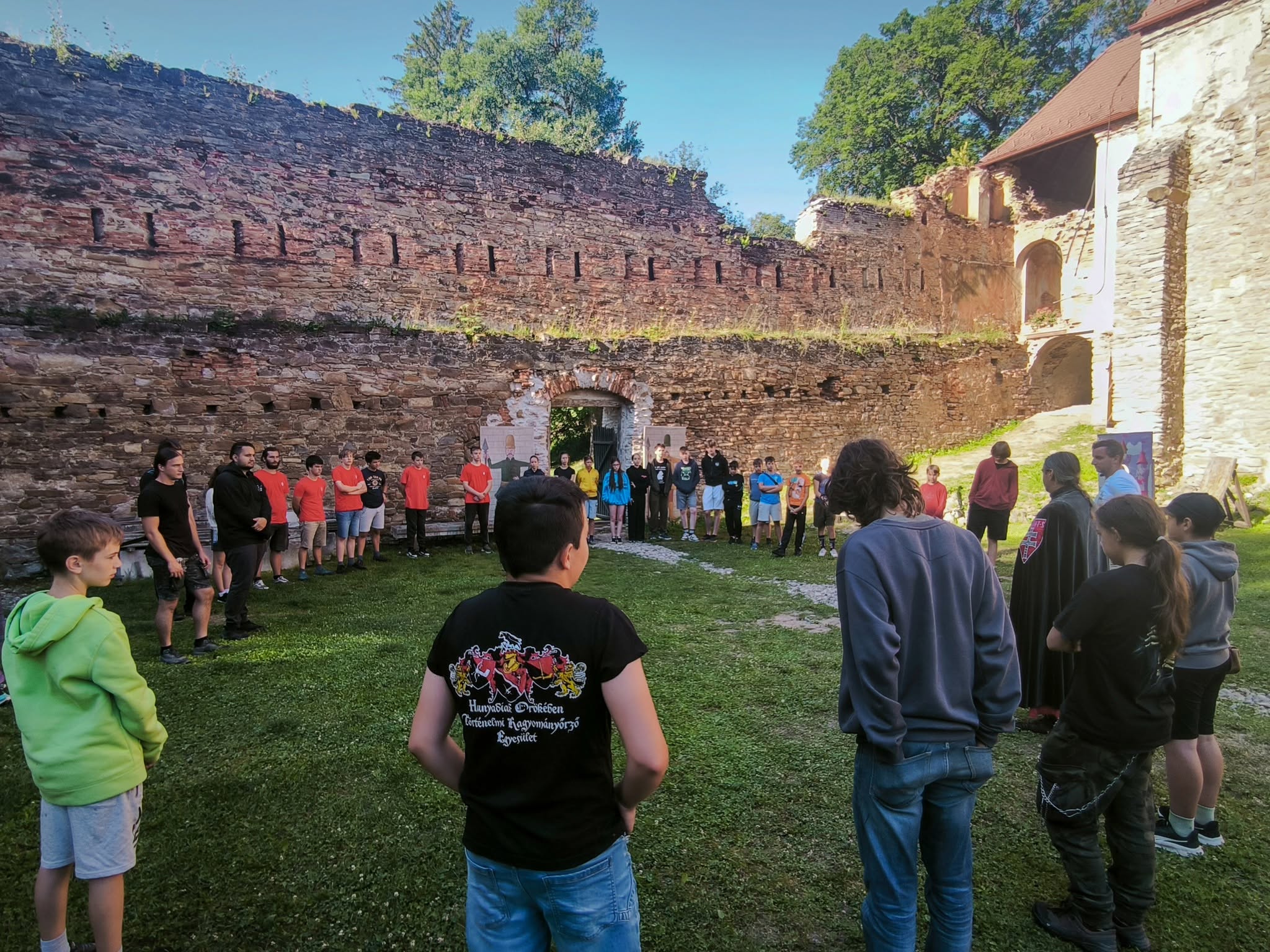
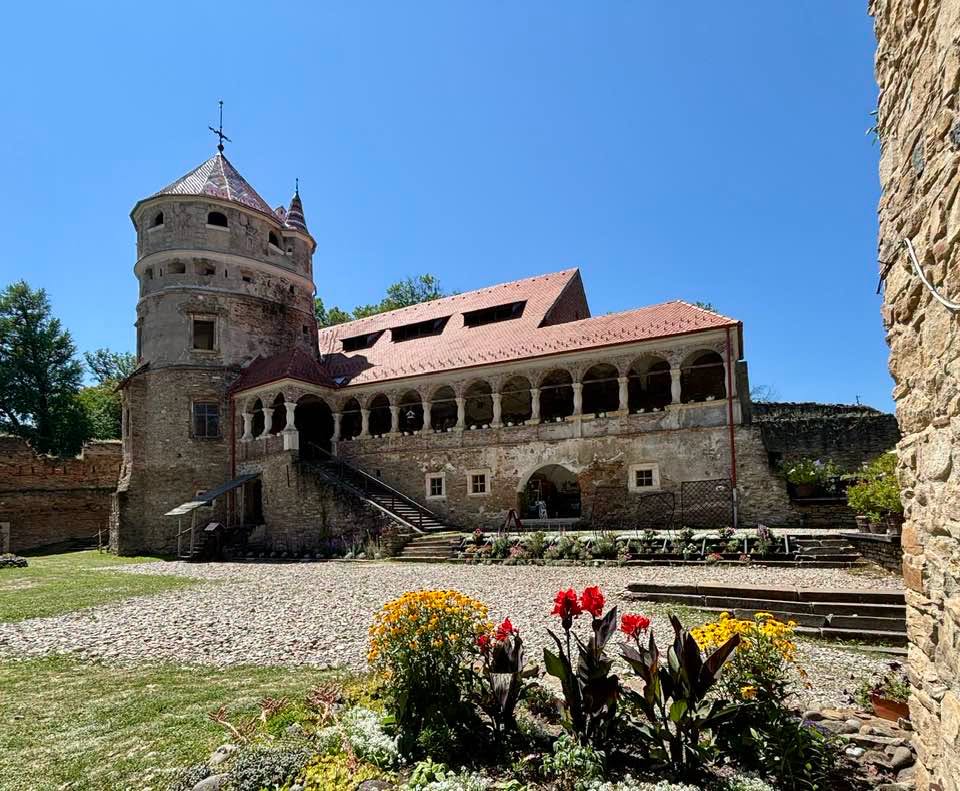
From 26 July to 1 August 2026, Bethlen Castle in Criș hosted the Transylvanian Squire Training Camp of the Order of Saint George for the first time. During the week-long programme, organised with the support of the Order, the historic castle came alive with squires, knights, archers and craftspeople.
Nearly forty young people from various communities in Transylvania and Hungary attended the camp free of charge. Participants came from Visegrád, Szentes, the Gyergyó and Csík regions, Odorheiu Secuiesc, Cristuru Secuiesc and Târgu Mureș, among other places, making the gathering in Criș a truly cross-border community event.
Knight Mihály Lázár, Prior of Csongrád, played a key role in initiating, preparing and professionally coordinating the squire training camp, while Knight Tamás Kari contributed significantly to its organisation and successful implementation. The professional programme was led by the knights and squires of the Gyergyó Squire Training Chapter of the Order of Saint George, with the invaluable contribution of the Hunyadiak Örökében Historical Re-enactment Association from Szentes.
History, Knowledge and Practical Experience
The week-long programme aimed not only to introduce medieval traditions, but also to offer young people an engaging and experiential way of discovering the history and spirit of the Order, along with the values associated with the chivalric ideal.
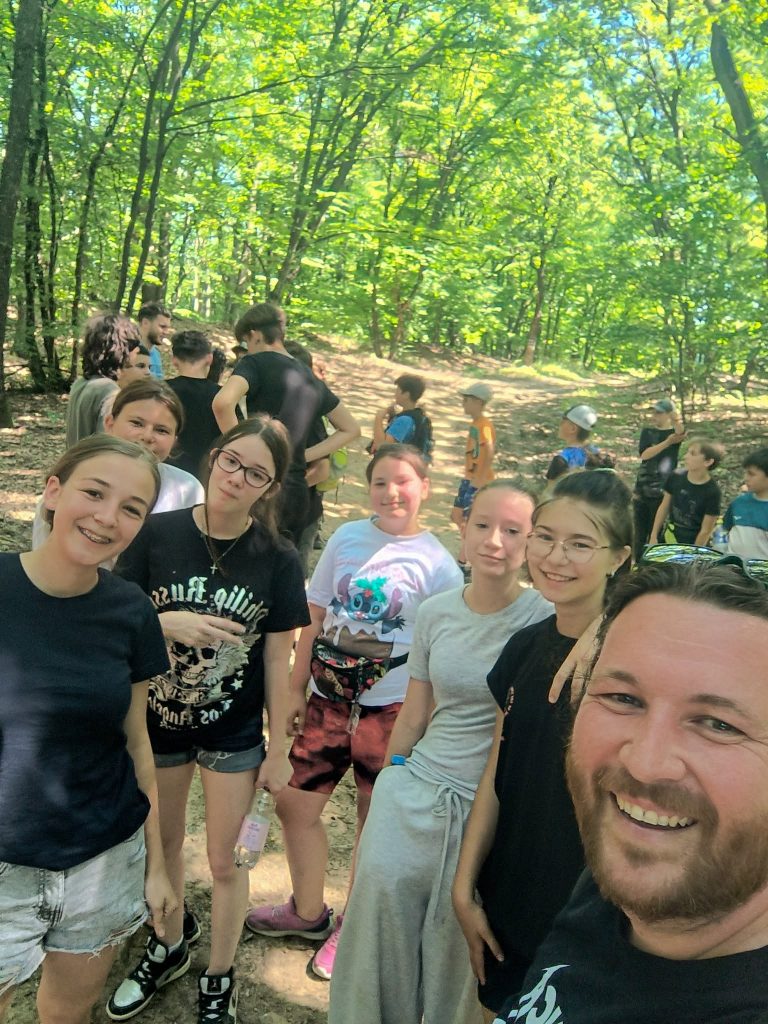
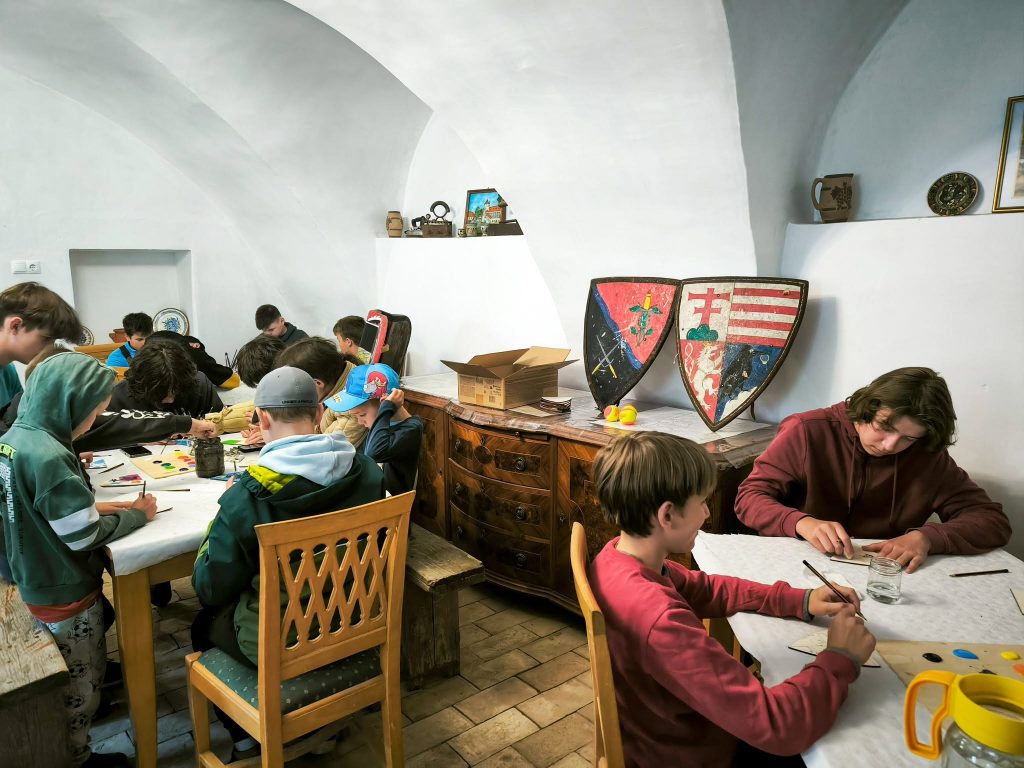
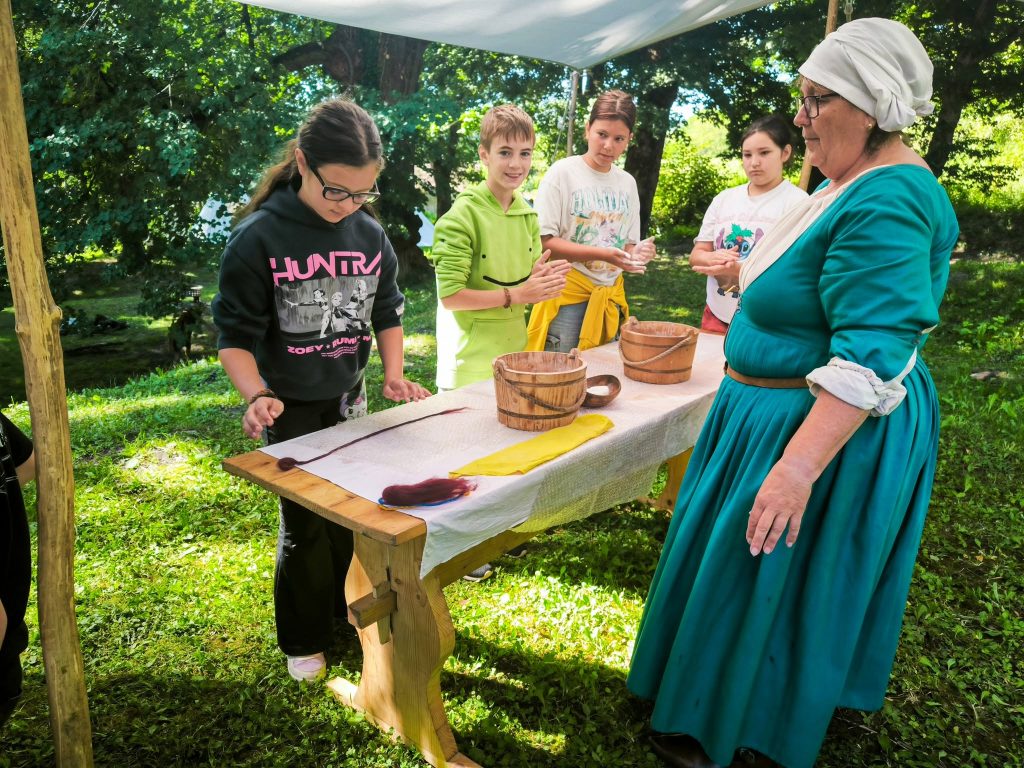
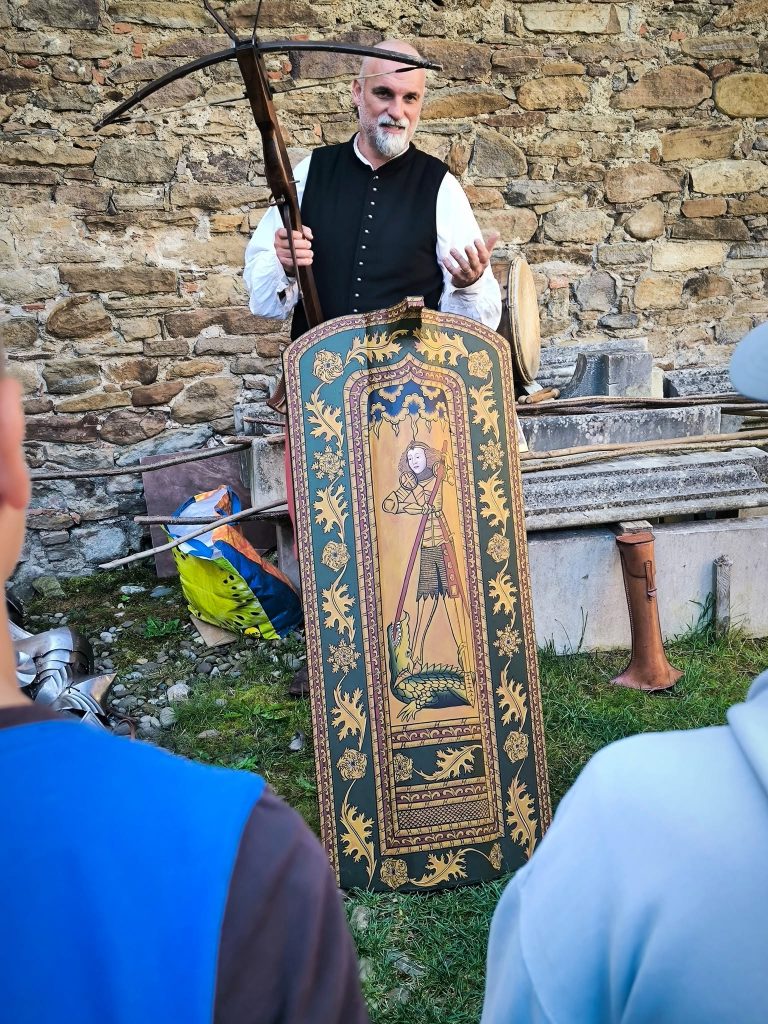
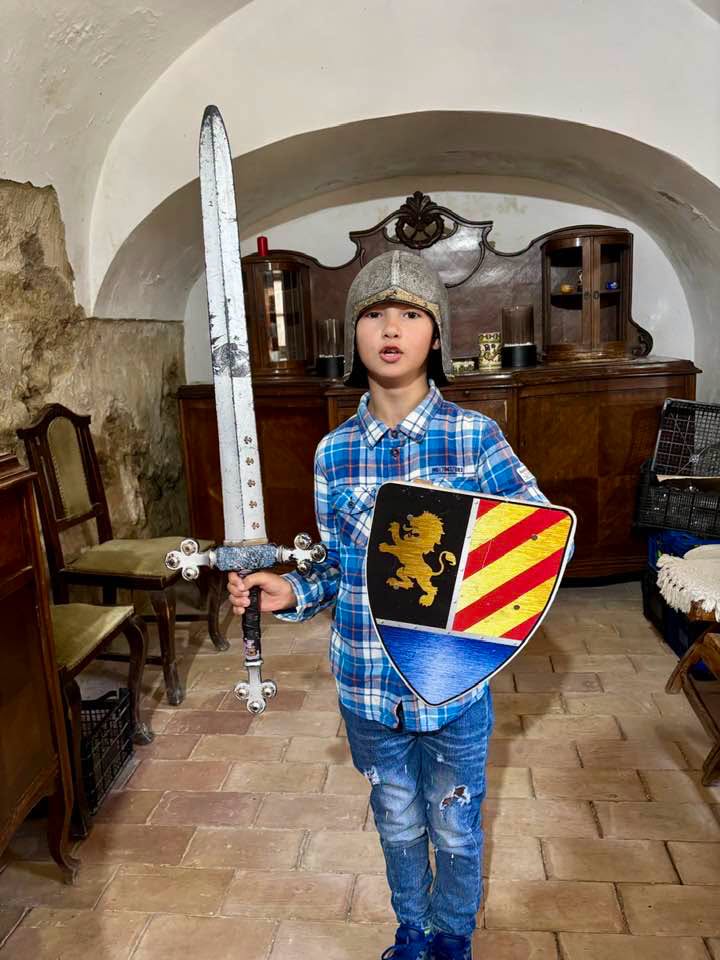
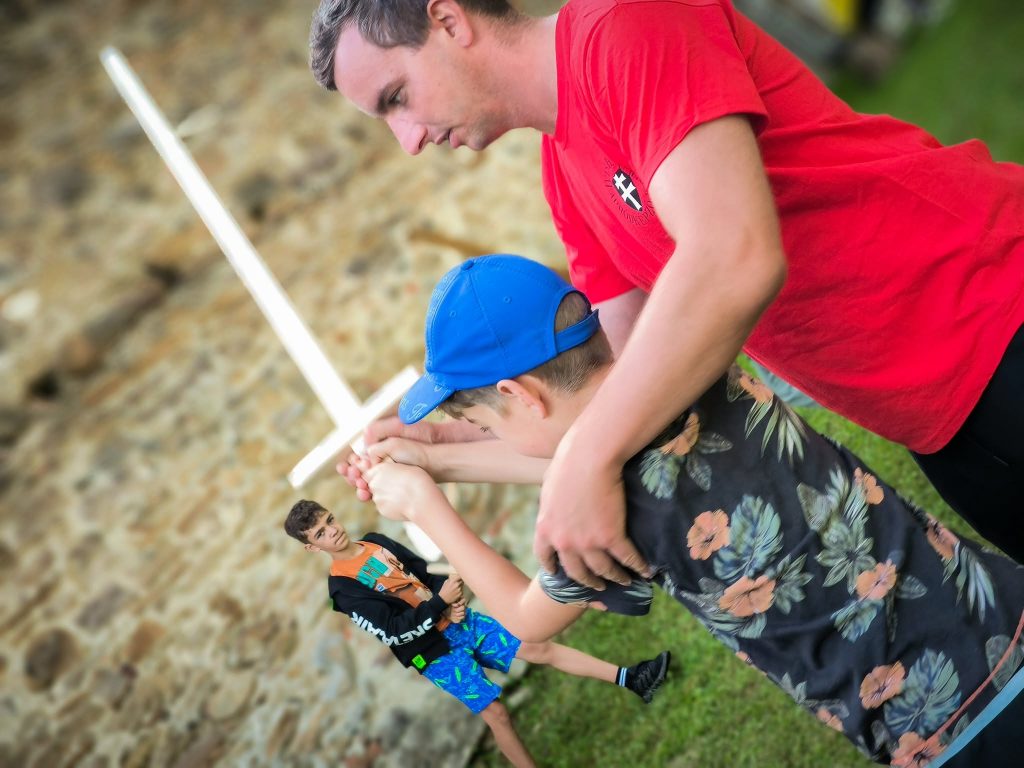
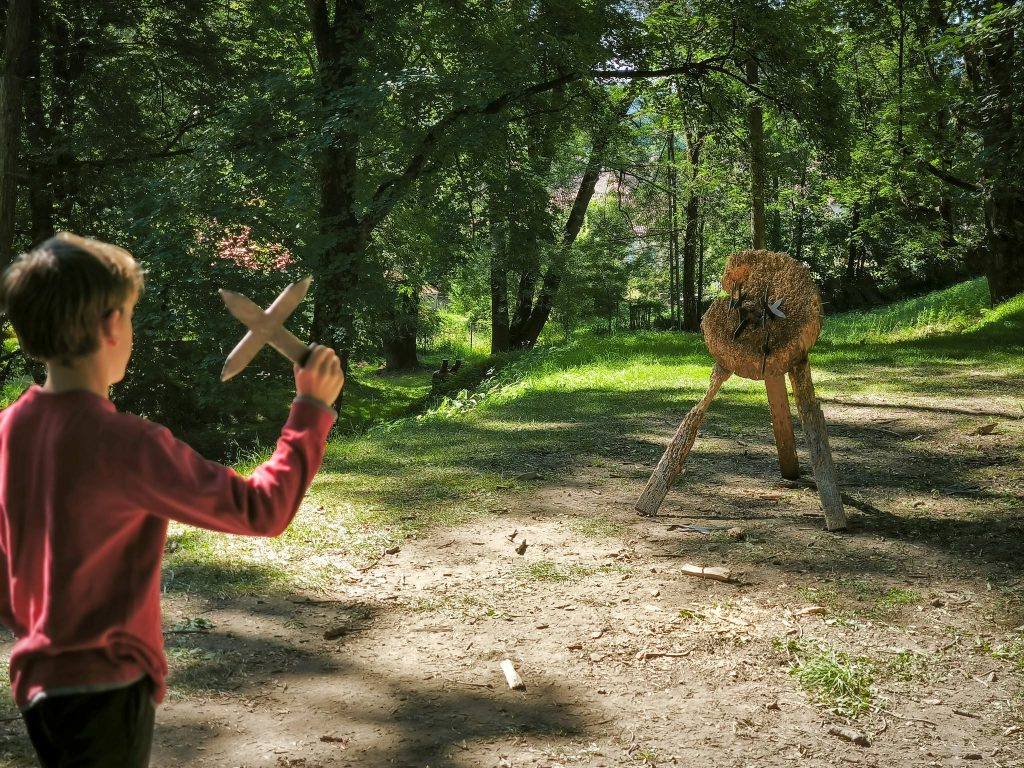
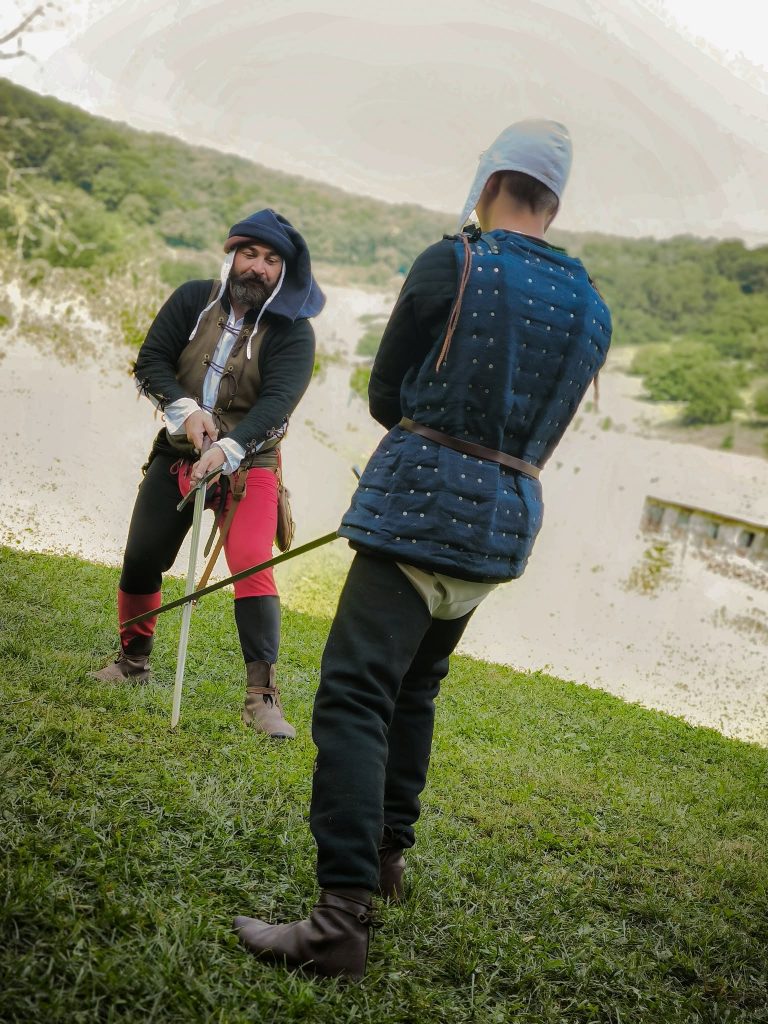
Participants practised swordsmanship, archery and the use of various throwing weapons; painted coats of arms; created leatherwork and feltwork; learned Renaissance dances; and attended lectures on historical subjects. The programme also included an endurance hike of nearly ten kilometres, which tested not only their physical stamina, but also their perseverance and ability to look out for one another.
The camp’s professional programme was further enriched by a guest lecture delivered by Knight Tamás Sashalmi-Fekete, historian .
Building a Community
One of the most important achievements of the squire training camp cannot be measured solely in the techniques mastered or the historical knowledge acquired.
Over the course of the week, the young participants gradually grew into a genuine community. The activities also conveyed the importance of discipline, perseverance, mutual respect and cooperation.
It was particularly gratifying to witness the enthusiasm and diligence with which the squires took part in every activity. Historical traditions thus became tangible to them not merely as knowledge to be learned, but as an experience shared and lived together.
Demonstration and Holy Mass to Close the Camp
The week-long programme concluded in a fitting manner with an impressive demonstration by the young participants. With discipline and skill, the squires presented to their families, guests and members of the Order everything they had learned during the camp.
The event then concluded with a Holy Mass celebrated by Brother Csaba Böjte, providing a spiritual framework for the week of community-building and heritage-preservation activities.
Passing on the Tradition
For the Order of Saint George, nurturing the next generation and engaging young people are tasks of particular importance. The chivalric tradition can remain alive only if its values are preserved not merely as historical memories, but are also made understandable, personally meaningful and capable of being lived by the next generation.
The squire training camp in Criș (Keresd) served this mission: historical knowledge, physical challenges, craft activities and shared community experiences reinforced one another in conveying the values of discipline, perseverance, respect and service.
We extend our gratitude to the Order of Saint George for its support; to Knight Mihály Lázár, Prior of Csongrád, for his key role in initiating and professionally coordinating the camp; and to Knight Tamás Kari for his significant contribution to its successful implementation. We also thank Knight Tamás Kucsera; the other knights and squires of the Gyergyó Squire Training Chapter founded by him; the members of the Hunyadiak Örökében Historical Re-enactment Association; Knight Levente Zólya, Castellan; Knight Tamás Sashalmi-Fekete, historian; and all the organisers, helpers and volunteers whose work contributed to the success of the camp.
We trust that the first squire training camp in Criș marked the beginning of a new tradition, and that Bethlen Castle will continue to host programmes for young people dedicated to community-building and the preservation of historical traditions in the years ahead.
The chivalric heritage will remain alive only if the next generation not only learns about its values, but also lives by them